© 2024 Tramedistoria Impresa Sociale
Il ritrovamento
Un museo che, pur non ospitando al momento reperti originali, riesce a raccontare in modo coinvolgente e accurato il contesto grazie a nove sale in cui sono esposte ricostruzioni e copie fedeli di come gli oggetti dovevano essere all'epoca e sono trasmessi filmati che ricreano filologicamente e in modo suggestivo le atmosfere ed i gesti di 14000 anni fa. Altri filmati danno la parola ai protagonisti della scoperta, degli scavi e delle indagini per raccontare in prima persona le fasi della ricerca archeologica. Ci parla dei primi umani che hanno popolato la catena alpina e, attraverso la sepoltura dell'Uomo di Val Rosna, vissuto 14000 anni fa, ci mostra la vita e le credenze dei cacciatori raccoglitori Sapiens che iniziarono a frequentare le Alpi nelle fasi finali dell'ultima glaciazione.
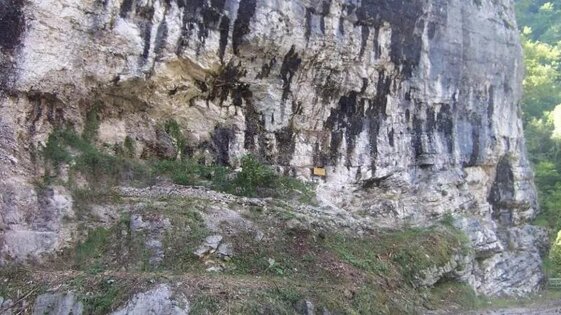
Era il 1987 quando Aldo Villabruna trovò, in un cantiere nel comune di Sovramonte alla confluenza tra i torrenti Rosna e Cismon, resti di ossa umane e una punta di freccia risalenti all'Epigravettiano, ultima fase del Paleolitico Superiore.
La notizia stupì il mondo scientifico e l'Università di Ferrara iniziò una campagna di scavi che portò alla luce tre ripari che sfruttavano la parete rocciosa, frequentati a più riprese nel corso della Preistoria. alla prima frequentazione, datata a 14000 anni fa, risale la sepoltura di un cacciatore di 25/30 anni coperto da pietre dipinte: una delle più antiche forme di arte funeraria conosciute.
La sepoltura
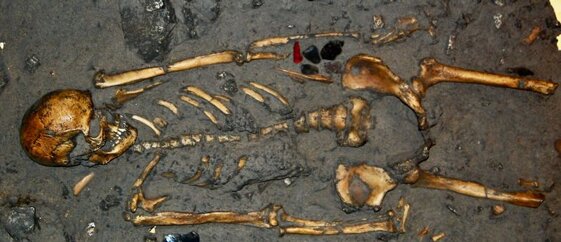
L'inumato, incompleto da metà dei femori in giù, venne deposto disteso e supino in una fossa profonda col corpo reclinato a sinistra, verso la parete del riparo. Sul suo avambraccio sinistro fu posto un sacchetto con all'interno una punta in osso decorata da tacche, un coltello a dorso, una lama e un nucleo in selce, un ciottolo di siltite usato come ritoccatore e un grumo di sostanza resinosa, forse mastice.
La fossa venne interrata e coperta da pietre raccolte nei torrenti circostanti, alcune delle quali dipinte con ocra rossa.
L'arte e la ritualità
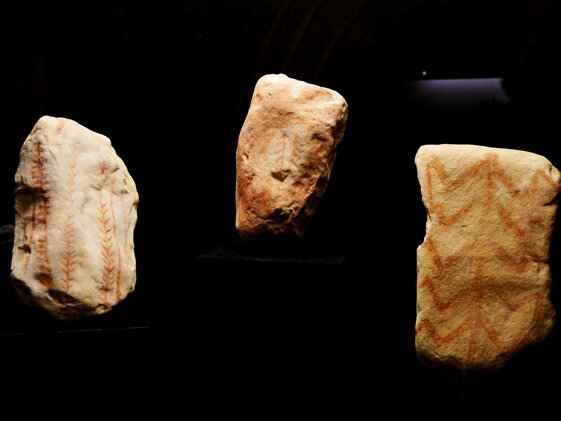
Le quattro pietre dipinte che ricoprivano la sepoltura sono costituite da tre grossi ciottoli deposti con la parte rivolta verso l'inumato, raffiguranti rispettivamente un uomo danzante, alcune bande lineari e due palchi di cervo. Un'altra pietra piatta, con la parte dipinta rivolta verso l'alto, mostra in modo stilizzato una figura iperantropica, ovvero un uomo dalle molte braccia, ad indicarne probabilmente la grande forza.
Questa pittura, visibile a chi entrava, era una vera e propria lapide che indicava la presenza della sepoltura; stesso scopo avevano probabilmente le sei bande in ocra ancora visibili sulle pareti del riparo in corrispondenza della tomba.
Il primo paziente per il primo dentista
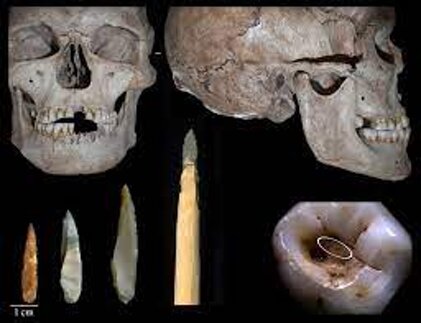
L'Uomo della Val Rosna vanta il più antico caso di cura dentale noto tra i nostri antenati: la rimozione della carie di un dente del giudizio.
Una scoperta eccezionale che ha fatto il giro del mondo ed è stata pubblicata sulle principali riviste scientifiche internazionali, a cui il percorso museale dà il risalto che merita.
© 2024 Tramedistoria Impresa Sociale